

What Resilience Really Means
When people talk about resilience, they often picture someone bouncing back from hardship instantly. That's not quite right. Real resilience is quieter. It's the ability to feel what's happening, acknowledge it, and then move forward — even if you're moving slowly.
In your 40s and 50s, you've already built resilience without realizing it. You've navigated career changes, relationship shifts, health concerns, aging parents. But midlife brings a specific type of challenge: the gap between who you were and who you're becoming. That's where intentional resilience skills make all the difference.

Method 1: Name What's Actually Happening
Resilience starts with clarity. Most of us rush past our emotions — especially at this age when we're supposed to have it figured out. But naming what's happening gives you power.
Instead of "I'm struggling," try being specific: "I'm grieving the loss of my career identity," or "I'm anxious about my body changing," or "I feel invisible in rooms now." These statements aren't weakness. They're landmarks. Once you name something, you can work with it.
Take 10 minutes this week. Write down what's actually bothering you about this phase of life. Not the surface complaint, but the deeper thing underneath. You don't have to share it with anyone. Just name it for yourself.




Method 2: Build a Micro-Practice You'll Actually Do
Resilience doesn't come from one big action. It comes from small, repeated practices that anchor you when things get wobbly. The key word is small. A 45-minute meditation retreat isn't resilient practice — it's a nice weekend. What builds resilience is the 5-minute practice you do three times a week without thinking about it.
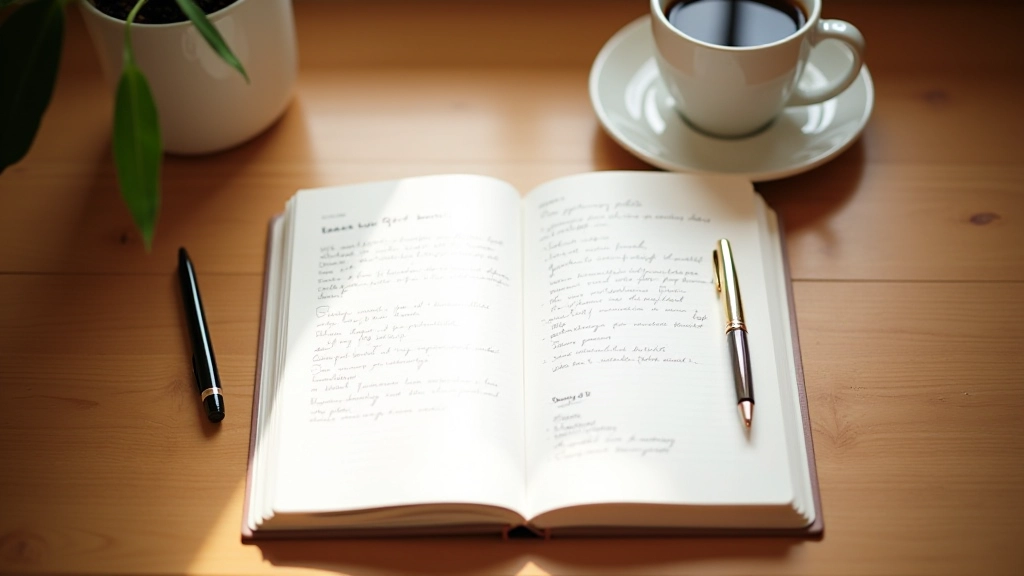
This could be: a morning walk, a journal prompt you answer while having tea, calling a friend on Tuesday mornings, or even just sitting with a cup of coffee and doing nothing. The content doesn't matter. Consistency does. Your nervous system starts to recognize "this is my anchor," and it settles down.
Pick one micro-practice this week. Something you can do in under 10 minutes. Something you actually enjoy, not something you think you should do. Do it three times. See how it feels.
Method 3: Know Your Bounce-Back People
Resilience isn't solitary. You need people who get it. Not people who try to fix it or tell you to look on the bright side. You need people who can sit with difficulty and say "yeah, this is hard, and you're going to be okay."
These might be friends, a therapist, a coach, or a group of people going through similar transitions. They're the ones you can text when you're struggling. They're the ones who remember what you said last month and ask how it's going now. They're the ones who've been through their own midlife shifts and didn't pretend it was easy.
If you don't have these people yet, this is worth building. One solid connection is enough to start. Look for a group, a therapist, or a coaching program where you can be honest. That vulnerability is actually where resilience grows.

Educational Information
This article provides educational information about building resilience during midlife transitions. It's not a substitute for professional mental health support. If you're experiencing depression, anxiety, or other mental health challenges, please reach out to a qualified therapist or counselor. Everyone's journey through midlife is different — what works for one person may not work for another. These are starting points for reflection, not prescriptions.
Start With One Thing
You don't need to overhaul your entire life this week. Resilience builds quietly, in small moments. Pick one of these three methods. Try it for the next 7-10 days. See what happens.
This phase of life isn't something to get through as quickly as possible. It's an opportunity to build a different kind of strength — one that's more flexible, more honest, and more grounded in what actually matters to you. That's real resilience.