

Group Coaching Programs
Second Chapter Programs: What to Expect from Group Coaching
Group coaching in Dublin and Cork brings together people navigating similar life transitions. Here's what happens in these programs and why they work.
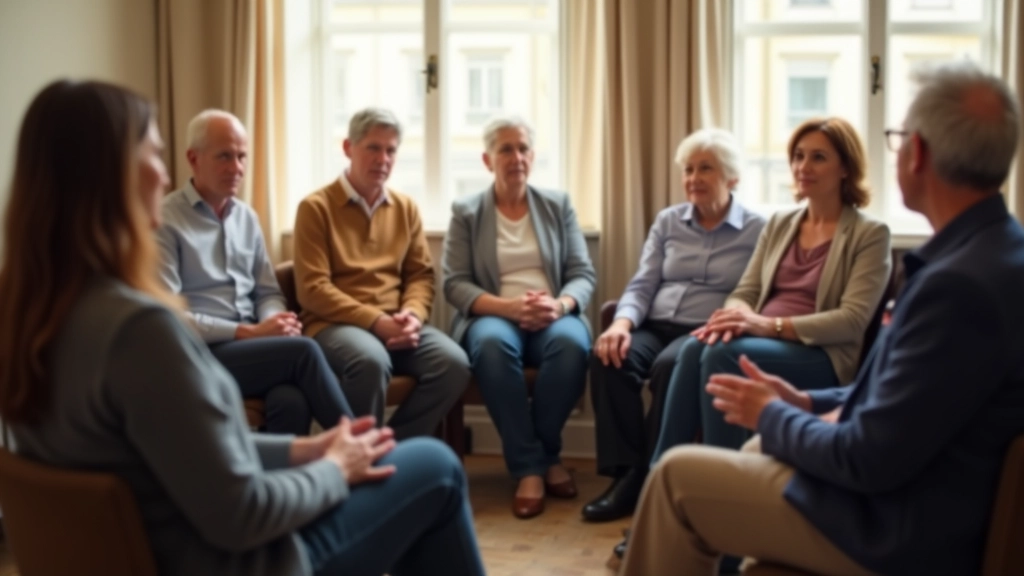
Group coaching isn't about sitting in rows while someone lectures at you. It's not therapy. It's not a class where you're graded on right answers. It's something altogether different — a space where four to eight people who are all navigating similar life transitions come together with a trained coach to work through real challenges.
The second chapter of life — those years from your mid-40s onward — brings questions that don't have simple answers. What comes next after kids move out? Who are you without your career? How do you rebuild confidence after a major loss? These aren't things you figure out alone in your living room.

How Group Coaching Actually Works
A typical session runs 90 minutes. You'll arrive and there's tea, coffee, maybe some biscuits. That first 10 minutes isn't wasted time — it's how people settle in and feel welcome. Then everyone sits in a circle (not facing a screen, not rows of chairs). The coach opens with a theme or question, but it's not rigid.
Maybe someone mentions they've been struggling with how their adult kids now see them as a person, not just a parent. Someone else nods. Then another person shares something similar but different — they're retired and their partner still works full-time, creating this weird gap in their days. The coach helps the group see patterns. You're not alone. You're not weird. And most importantly, you're hearing from actual people your age going through actual things.
There's no "right" way to feel about any of this. No judgment. People open up because they feel genuinely safe, and that's not accidental — it's built into how the coach runs the group.


What Makes Group Coaching Different from Therapy
This is a question we hear often. Therapy digs into your past — childhood, trauma, patterns formed years ago. Group coaching looks at where you are now and where you want to go. It's forward-focused, not backward-focused.
You're not paying to be "fixed" because you're not broken. You're investing time in clarity. In skills. In perspective shifts that you can't see on your own because you're too close to your own life.
Group vs. Individual
Individual coaching gives you personalized attention every minute. Group coaching gives you personalized attention PLUS the wisdom and experience of four other people who get it. You learn from their breakthroughs. You're not the only one wrestling with reinvention.
Continue Learning


Educational Purpose Notice
This article provides educational information about group coaching and midlife transitions. It's not a substitute for professional mental health care, medical advice, or personalized coaching. Every person's circumstances are unique. If you're experiencing depression, anxiety, or crisis, please speak with a qualified healthcare provider or mental health professional. Group coaching complements but doesn't replace therapy when that's needed.
The Real Experience: What Happens Inside a Group
Let's be concrete about this. A typical Dublin group we run on Tuesday evenings has six people. There's Aoife, who's 52 and just took early retirement. There's Mark, 48, whose kids have all left for university and he's discovering his marriage needs rebuilding. There's Catherine, 55, navigating a career pivot that terrifies and excites her simultaneously.
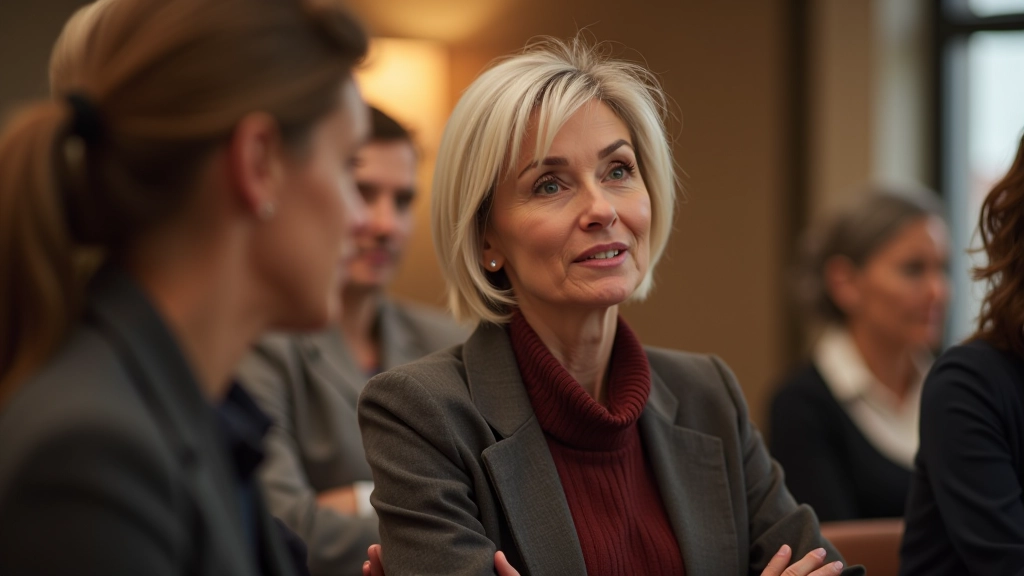
In week three, Mark mentions feeling invisible at home now. The house is quiet. His wife is busy with her own interests. He's wondering if they even have anything in common anymore. Aoife leans forward and says, "That's exactly what I felt when I retired. Suddenly the structure was gone and so was my sense of purpose." Catherine nods. The coach asks Mark a powerful question: "What would it look like if you weren't trying to fix the invisibility, but instead got curious about who you're becoming?" That question sits with him for a week. He comes back the next session with an insight — he's been waiting for external things to make him feel alive instead of building an internal sense of direction.
That's not magic. That's a skilled coach holding space for real conversations. It's peers who genuinely understand the stakes.
Why People Actually Show Up Week After Week
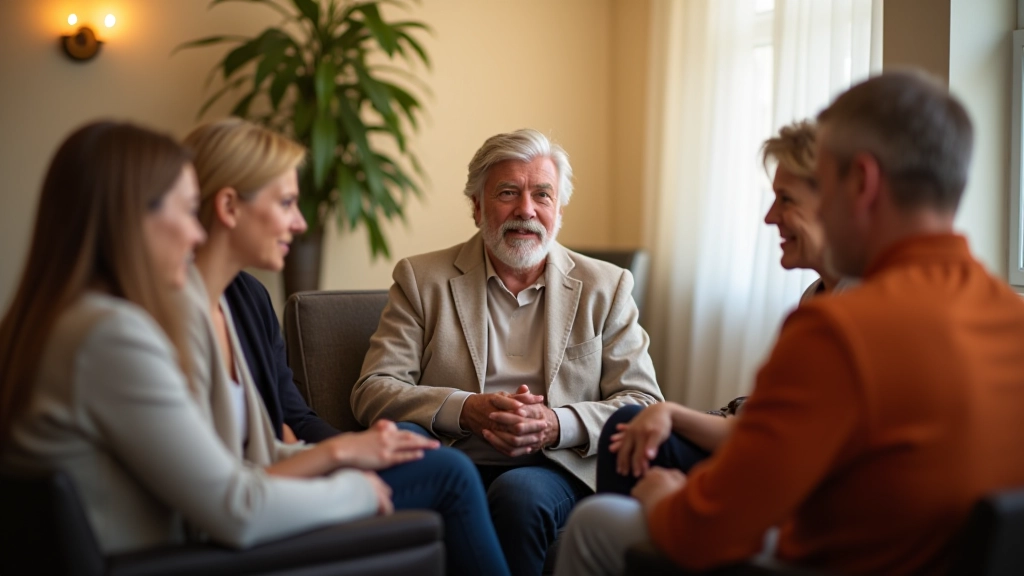
Groups run for eight weeks typically. Most people come back for a second cycle. Why? Because something shifts. You start seeing your own patterns more clearly. You get tools — actual practical things to try, like how to have a difficult conversation with an adult child or how to rebuild confidence after a setback. But more than that, you get permission to want something different for yourself. You get witnesses to your growth.
8
weeks per cycle
6-8
people per group
90
minutes per session
The groups run in Dublin and Cork, with options for in-person and hybrid attendance. People come from different backgrounds, different careers, different family situations. The common thread? They're all asking "What's next?" and they're brave enough to explore that question with others.
The Bottom Line: Is Group Coaching Right for You?
Group coaching works if you're willing to show up, be honest, and listen to other people's stories. It doesn't work if you want someone to tell you exactly what to do or if you need one-on-one attention for specific trauma processing.
You don't need to have it all figured out before you arrive. In fact, you shouldn't. You need curiosity. You need a willingness to explore who you're becoming rather than defending who you've been. You need to believe that your second chapter can be intentional, not something that just happens to you.
Ready to Explore Group Coaching?
Get in touch to learn about upcoming groups in Dublin and Cork, or ask questions about what the experience is really like.
Send Message