

Understanding Midlife Transitions: What's Actually Happening
The psychological shifts that occur in your 40s and 50s aren't a crisis — they're a natural transition. Here's what the research shows.

You're 45, 48, 52 — and something feels different. Not necessarily bad. Just different. Maybe you're questioning decisions you made 20 years ago. Or you're wondering what comes next when the kids grow up. Or the job that felt meaningful suddenly doesn't anymore.
Here's what's actually happening: you're not having a crisis. You're having a transition. And there's real neuroscience and psychology behind it that explains why this moment exists and why it matters.

The Biology of the Midlife Shift
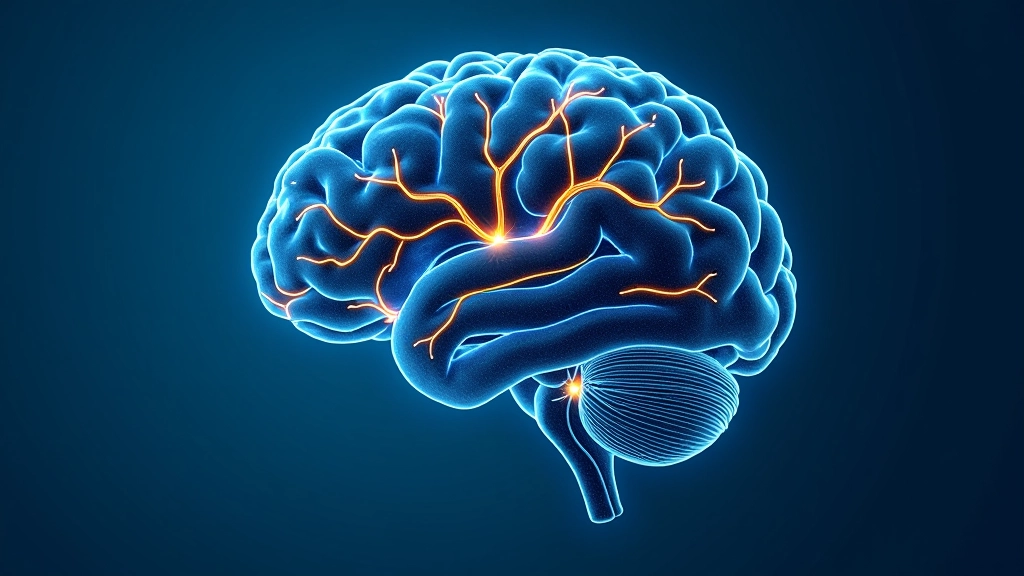
Your brain isn't the same as it was at 35. That's not a weakness — it's an upgrade. Around age 40-45, several things happen simultaneously. Hormonal changes affect energy and mood. The prefrontal cortex — the part that handles decision-making and long-term planning — develops differently than it did in your 20s.
But here's the important part: you're also gaining something. Crystallized intelligence — the knowledge and skills you've accumulated over decades — peaks in your 40s and 50s. You've got experience. You've learned what works and what doesn't. You know yourself better than you ever have.
The transition happens because your brain is actually rewiring itself to match who you've become. It's not about crisis. It's about recalibration.

The Three Questions That Appear Now
Developmental psychologists notice that certain questions emerge reliably in the 40s and 50s. They're not random. They're connected to how our brains develop at this stage.
Is this who I wanted to become?
You've built a life. Now you're asking whether it matches the life you actually wanted. This isn't regret — it's assessment. You've got enough distance now to see patterns.
What happens when the main chapters end?
Kids become independent. Careers plateau. Physical abilities change. You're aware of mortality in a way you weren't at 25. That awareness focuses your attention on what matters.
What's mine to do in the next chapter?
You've got maybe 30-40 years ahead. That's a long time. But it's different time. What will you build with it?


Why This Transition Is Actually an Opportunity
The discomfort you might feel isn't a sign something's wrong. It's a signal that something's shifting. And that shift? It's designed to help you make better choices.
Research on life satisfaction shows something interesting. People who actively engage with their midlife transition — who ask themselves these hard questions and make intentional changes — report higher life satisfaction in their 60s and 70s than people who ignore the transition and try to keep living the same life.
The people who come through this phase successfully aren't the ones who pretend nothing's changing. They're the ones who acknowledge it, understand what's happening, and make deliberate choices about what comes next.


How to Work With This Transition
You don't need to have all the answers right now. But you do need to start asking the questions. Here's what actually helps:
1
Name what's changing
Write it down. Energy levels, priorities, relationships, career direction — what's actually different? Getting specific matters.
2
Stop fighting it
This transition isn't a problem to solve. It's information to understand. Resisting it creates most of the discomfort.
3
Explore without committing
Try things. Read. Talk to people navigating similar changes. Join a group. You don't need to know your next chapter yet — you're learning what's possible.
4
Build your next chapter intentionally
Once you understand what matters, make deliberate choices. You've got decades ahead. Design them on purpose.
Important Note
This article provides educational information about midlife transitions and psychological development. It's not a substitute for professional mental health care. If you're experiencing depression, anxiety, or significant emotional distress, please reach out to a qualified mental health professional. Life coaching complements therapy — it doesn't replace it. Every person's experience is unique, and what works for one person may not work for another.
Your Midlife Transition Is Normal
The questions you're asking. The feelings you're having. The sense that something's shifting. That's not a crisis. That's your brain and body doing exactly what they're designed to do at this stage of life.
You're not broken. You're not having a breakdown. You're having a breakthrough — if you're willing to work with it instead of against it.
The next chapter of your life isn't something that happens to you. It's something you build. And you've got everything you need to build it well.